

Arrive as a guest
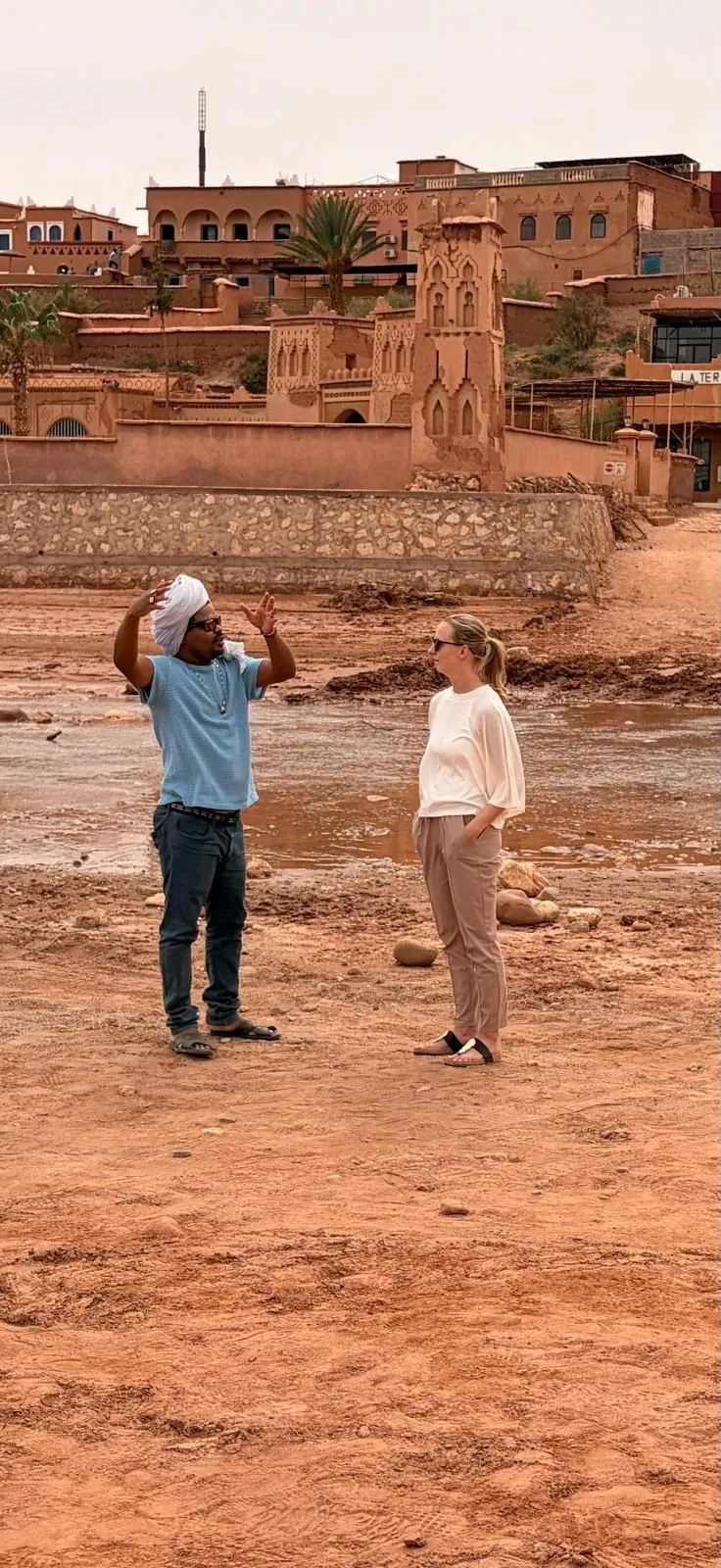
A village is first of all a home and a place of work, not a backdrop. Visitors are welcomed most easily when they arrive with patience, listen to their local guide and remember that daily routines continue around them. Greet people politely, follow the guide’s lead and accept that some spaces or conversations are private. A friendly exchange does not create an obligation for anyone to host, pose or explain.
Dress modestly as a considerate default, especially when entering a family home or visiting a religious setting. Ask before stepping inside a doorway, courtyard or garden. If someone invites you to sit or share tea, take your time and follow the host’s cues. It is fine to ask your guide about customs you are unsure of; a quiet question beforehand is often more comfortable than guessing in the moment.
Ask before taking a photograph
The clearest rule is also the simplest: ask permission before photographing a person. Make the request understandable, wait for a clear yes and accept a no without argument. A smile or a person looking toward your camera is not necessarily permission. Be especially careful around children; seek permission from a parent or guardian and respect the child’s own comfort as well.
Some scenes may include people in the background, family life or workspaces. Before taking a wide photograph, consider whether someone could reasonably expect privacy. In a market or workshop, ask the person responsible before photographing the stall, craft process or goods. If permission is not possible, put the camera away. The moment can still be remembered without being recorded.
Share images thoughtfully
Permission to take a photograph does not automatically mean permission to publish it. If you plan to share an identifiable image online, explain that and ask separately. Give the person a chance to understand where it may appear, and honor any request not to post it. Avoid adding names, personal details or a location description that the person did not choose to share.
Consider how an image frames the person in it. A respectful photograph shows people as participants in their own lives, not as curiosities. Do not ask someone to repeat a task or pose in a way that interrupts their day. If money, gifts or purchases come up, let your guide help you understand what is appropriate instead of assuming a photograph should be exchanged for something.
Let conversation lead
A short greeting can be enough. If a conversation develops, let the other person decide how much they want to share, and do not press for private details. Learn a few greetings in the language used by your guide or host if you can; a genuine effort is welcome, even when the words are imperfect.
Slow travel is not measured by how many doors you enter or photographs you collect. It is measured by the attention you bring. Move at the pace your guide recommends, stay aware of where you are standing, and leave rooms, paths and work areas as you found them. Courtesy makes space for a more relaxed visit and helps keep the experience grounded in mutual respect.
Small choices make a difference
Notice where you stand while listening or taking a photograph. Avoid blocking a doorway, interrupting a customer or stepping into a work area without invitation. If your group is larger than a few people, give others room to pass and follow the guide’s lead about where to gather. A visit can be brief and still be worthwhile; there is no need to prolong it if the people you meet seem busy or ready to continue their day.
If you are buying something, ask about the object and its maker with genuine interest, then make your own decision without pressure. Bargaining customs differ, so let your guide explain what is customary in that setting. Do not promise to send photographs or return with gifts unless you genuinely intend to do so. The most respectful souvenir may be the memory of a conversation that was allowed to stay private.