

A meal is a moment to share
Food is one of the simplest ways to feel the rhythm of a place, but a meal is more than a list of dishes. It has its own timing: ingredients are prepared, a table is set, people gather and conversation moves around the food. When you are invited to share a meal, let the host or guide explain what is being served and how the gathering works.
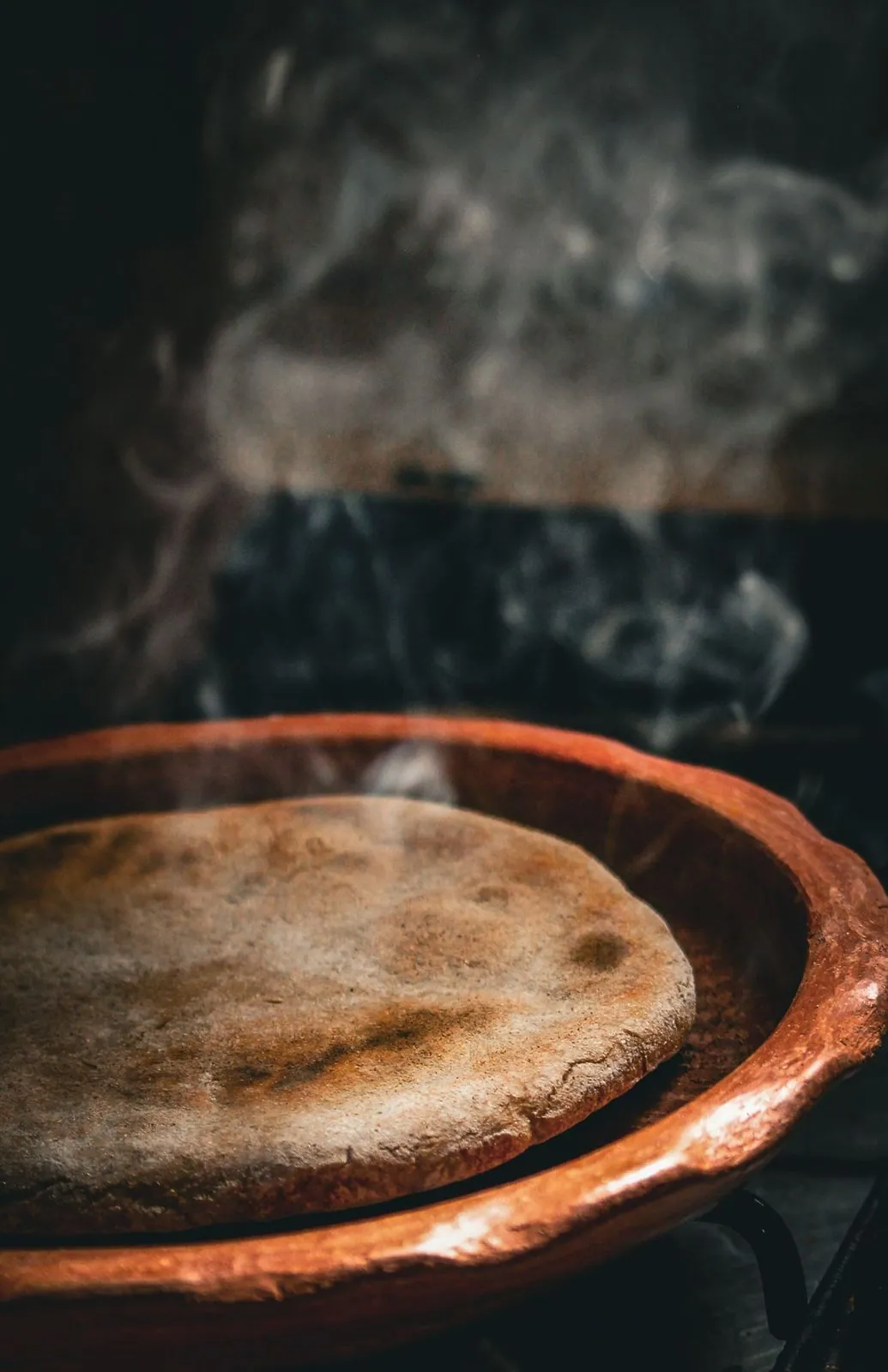
Menus and customs vary between households and regions. A tagine refers to both a cooking vessel and dishes prepared in it; ingredients and seasoning differ from one cook to another. Bread is commonly part of meals and may be used to share or accompany food. There is no single version that represents every Moroccan table, so approach each meal with curiosity rather than expectation.
Mint tea and the pause around it
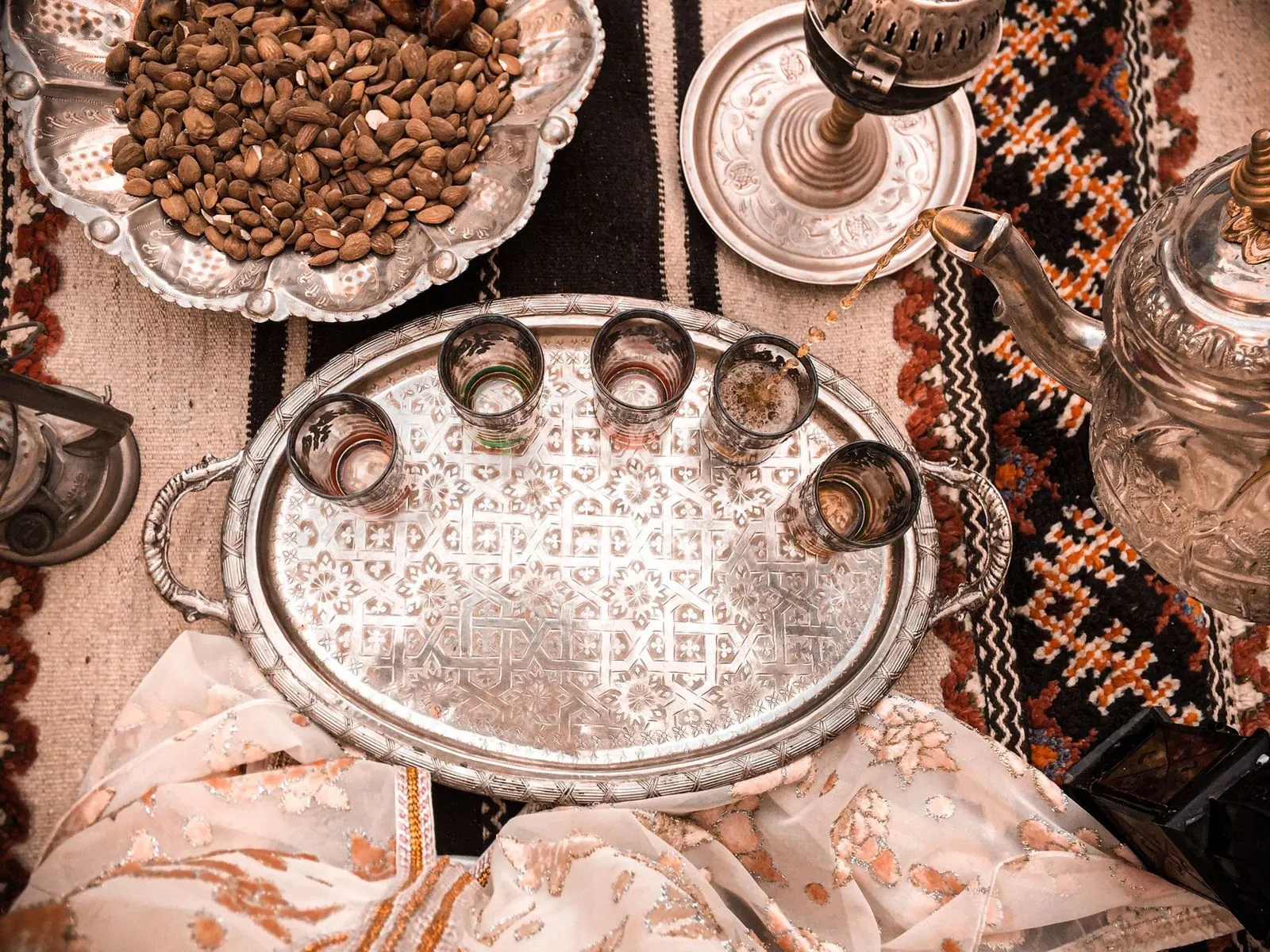
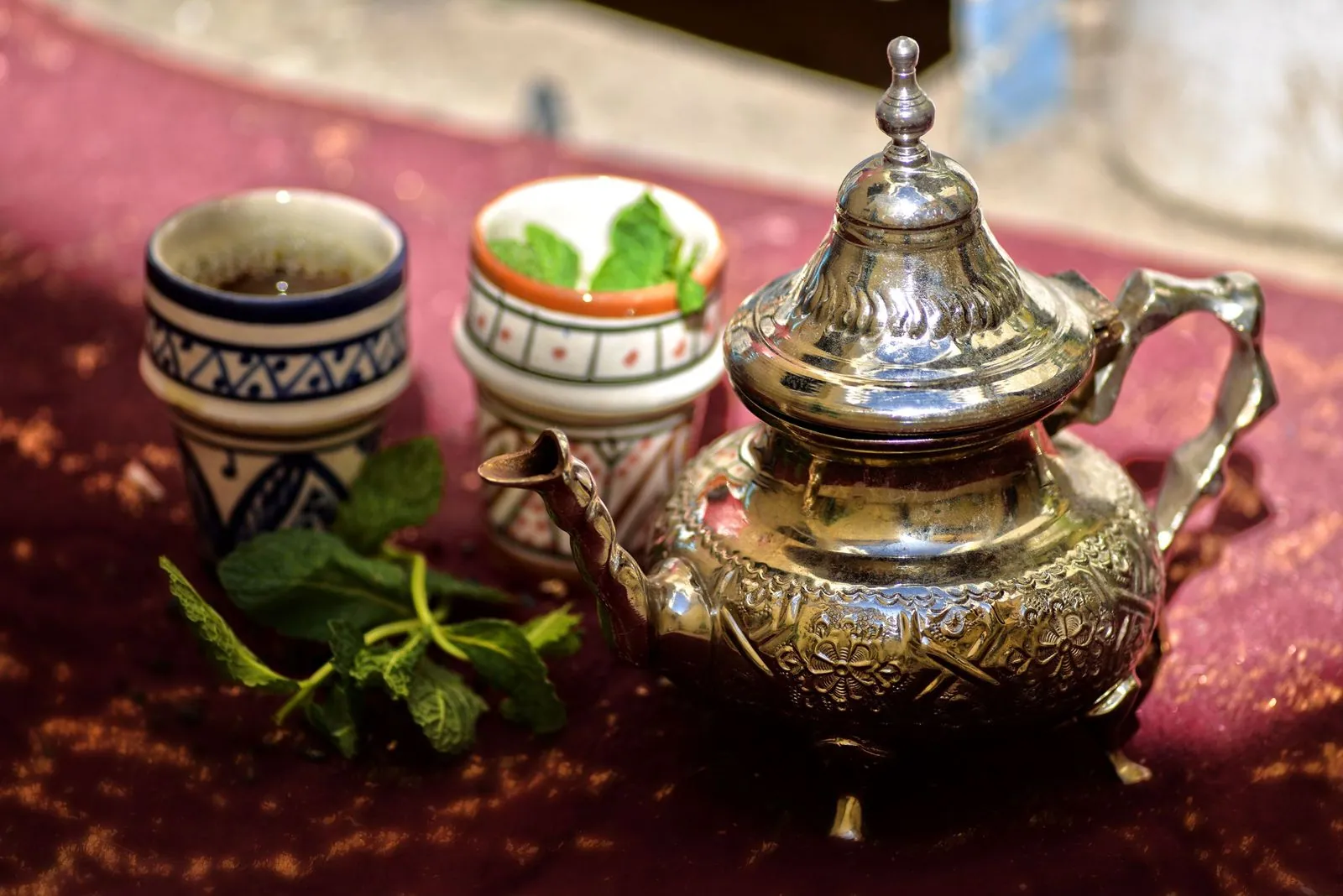
Mint tea is often served as a gesture of welcome and can become a small pause in the day. The preparation may be familiar to many travelers: tea, mint and sweetness brought together in a pot, then poured into small glasses. The exact method, strength and sweetness vary by household and personal preference.
If you are offered tea, accept or decline warmly; you are not expected to perform a ritual perfectly. If you have dietary or health needs, mention them before the visit so your host can help you understand what is in a drink or dish. A glass of tea can be an opening for conversation, but it is fine simply to enjoy the moment without turning it into a photograph.
Eat with consideration
Before a meal, ask about ingredients if you have allergies, dietary restrictions or religious requirements. Be clear and specific, and do not assume a dish is suitable based on its name or appearance. The person arranging your visit can help communicate your needs, though it is wise to bring any essential medication and to make decisions with your own health in mind.
Follow the host’s cues about where to sit, when to begin and how food is shared. In some settings people eat from a shared dish; in others, serving is arranged differently. Wash hands when facilities are provided and use the hand or utensil your host indicates. If you are unsure, a quiet question is welcome. Take what you can comfortably eat and avoid waste where possible.
Make space for the people at the table
A home meal is an invitation into someone’s everyday space. Ask before photographing the room, food preparation or anyone present, and do not assume permission to post a picture later. If a host prefers no photographs, put the camera away. A conversation does not need to be translated into content to be worth remembering.
Meals may take longer than a quick stop, and that is part of their value. Build enough time into the day so eating does not become another rushed item on the itinerary. If you have a particular interest in cooking or ingredients, share it in advance; a visit should be arranged around what the host is comfortable offering. Sit, listen, taste what suits you and let the table set the pace.
Dietary needs and shared meals
If you have an allergy, explain it clearly and ask how ingredients are prepared. Cross-contact can matter, so describe the level of risk you need to avoid rather than relying on a broad label such as “vegetarian” or “gluten-free.” If your needs are medically significant, discuss them with your host before travel and carry the medication or supplies you normally use. A meal should not be treated as safe until you have enough information to make that decision yourself.
Hosts may not be able to adapt every dish or prepare a separate meal, and it is considerate to understand that in advance. If you are unsure what is being served, ask your guide to help translate. You can accept only what you feel comfortable eating, and you can decline an item politely. Sharing a table is about being present with one another; it should not require anyone to ignore health needs or personal boundaries.